
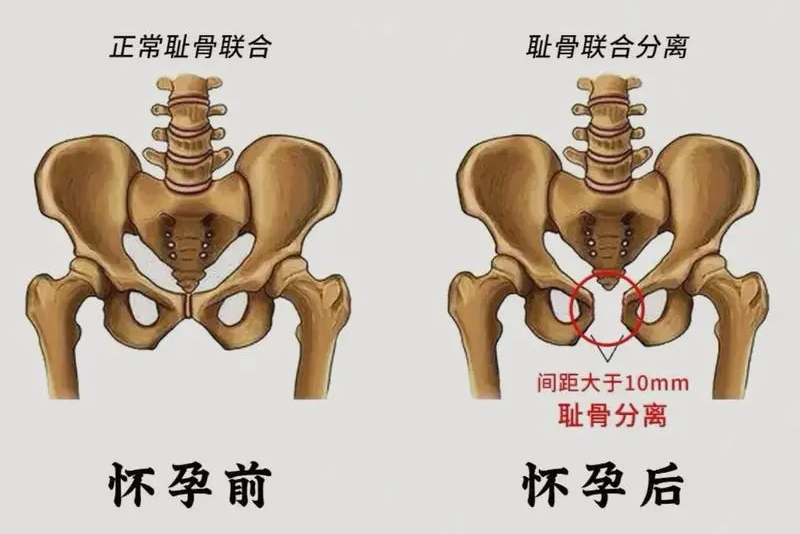
【Composition of the Pelvis】
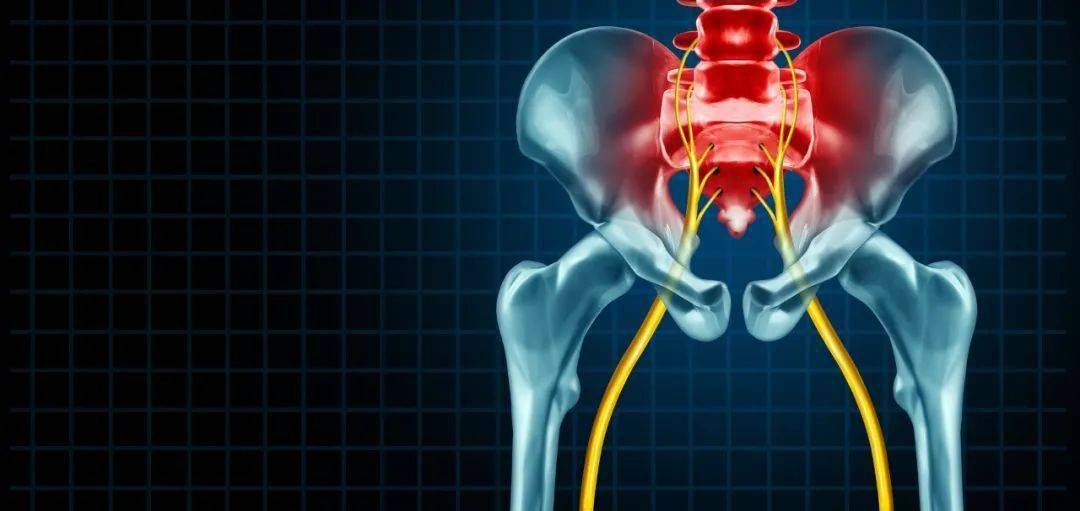
The pelvis is composed of the sacrum at the upper rear, the coccyx at the lower rear, the pubic symphysis at the lower front, the hip bones on both sides, as well as joints and ligament structures.
【Transmission of Pelvic Force】
The pelvis bears the weight of the upper body while also controlling how the lower body bears force.
Therefore, only when the pelvis is in the correct position can the forces of the upper and lower body be transmitted correctly. It plays a connecting role between the upper and lower body, and only when the pelvis is stable can some organs within the pelvic cavity function freely.
【The Body's Center of Gravity】
The most ideal position for the body's center of gravity is at the second section of our sacral vertebrae; this position best conforms to human mechanics. Once the center of gravity shifts, conditions such as anterior pelvic tilt, posterior pelvic tilt, or pelvic rotation will occur. The main cause of the shift in the center of gravity is poor living habits and posture.
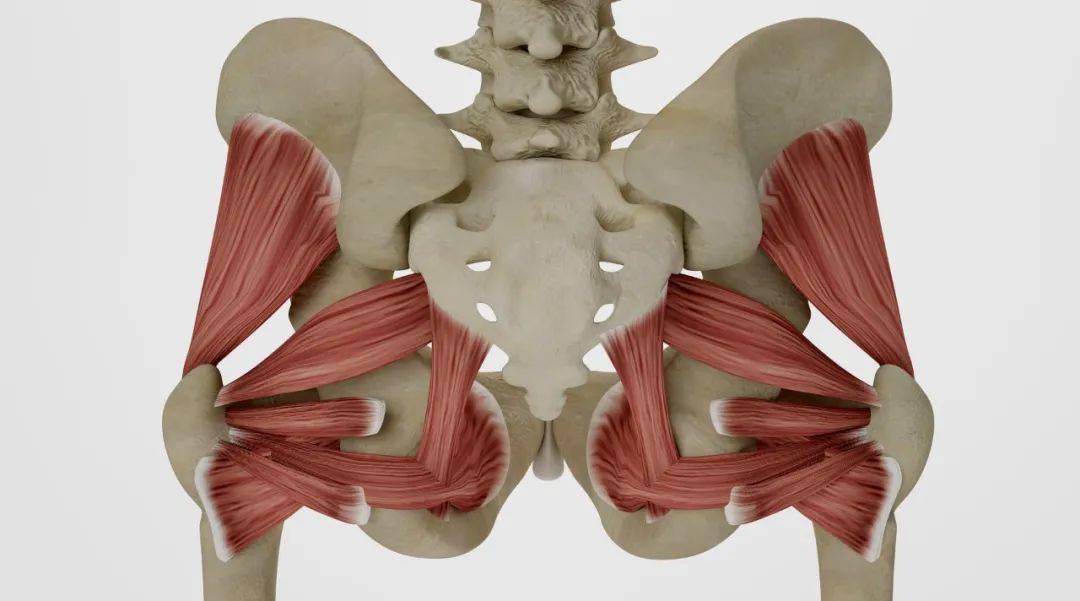
When the position of the pelvis changes, it directly affects the contraction of surrounding muscles, thereby producing pain.
The Female Pelvis
The female pelvic cavity is composed of the pelvis and the pelvic floor muscles. The pelvis is composed of the ilium, sacrum, coccyx, pubic bone, and ischium, like a basin containing the bladder, rectum, uterus, and fallopian tubes; the pelvic floor muscles are composed of 3 layers of muscles and ligaments, forming a "soft" pelvic floor.
Compared with the male pelvis, the female pelvis is wider and rounder. Therefore, you will see that women's buttocks are usually larger than men's, because women's ischium itself is wider.
Women's sacroiliac joint surfaces are much smoother, and this smoothness causes instability. So what is this instability for? The answer is giving birth. During childbirth, the relative smoothness makes it easier for the sacroiliac joints on both sides to open.
From the Perspective of Beauty
After pregnancy and childbirth, women are prone to spinal deformation, outward-turning legs, mom butt, barrel waist, big belly, bloated figure, and dull complexion
From the Perspective of Health
The pelvic cavity is like a house, protecting the organs within the abdominal cavity. Due to pregnancy and childbirth, a woman's pelvic cavity will open, and after childbirth it is difficult for the pelvic cavity to return to its pre-childbirth state. Therefore, gaps will exist between the pelvic bones, leading to gynecological diseases. It is not hard to understand uterine cold and cold limbs;
If a person lived all day in a house that leaks wind and rain and is exposed to wind and sun, wooden furniture would rot and iron furniture would rust; it is therefore normal for pelvic organs to show the following symptoms. Such as gynecological diseases, uterine cold, incontinence of urine and feces, early menopause, constipation, low back pain, affecting a second pregnancy...
The Culprit of the Problem
After pregnancy and childbirth, the structure of the pelvic cavity changes, creating "gaps."
Pelvic Changes in Women After Childbirth
Ten women who have given birth will have ten pelvises open, with the hip bones becoming wider.
Ten women who have given birth will have ten sagging buttocks.
Ten women who have given birth will have ten lowered pubic bones.
Ten women who have given birth will have ten widened vaginal openings and loose vaginas.
Ten women who have given birth will have ten cases of uterine cold.
Symptoms of Pelvic Deformation
1. It can cause increased and thickened fat around the buttocks, resulting in loose skin.
2. It can further cause protrusion of the lower abdomen, with the two waists one high and one low or one forward and one backward.
3. Incorrect sitting posture or the habit of crossing the legs can cause asymmetry of the legs, pigeon toes or splayed feet, or uneven buttocks.4. When standing upright, the waist will involuntarily tilt, causing low back pain.
5. Knees bend outward, making it easy to trip while walking
In fact, the most easily triggered problem by pelvic deformation is low back pain. It can also cause pain in the pubic bone and buttocks, and may also cause women to develop a lot of excess fat, making the body very different.
Harm After Pelvic Cavity Injury and Deformation
1. Formation of Bone Gaps
Due to childbirth and miscarriage, the pelvic bone gaps cannot close, and wind, cold, summer heat, dampness, dryness, and fire invade. They will enter the interior of the pelvic cavity through the bone gaps, acidify the internal environment, cause gynecological inflammation, and reduce self-cleaning function.
2. Pelvic Deformation
Incomplete pelvic closure will pull the muscles around the waist to expand left and right, causing pain due to compression of the lumbar nerves. In addition, stiffness of the muscles from the waist through the back all the way to the shoulders will inevitably affect blood circulation, causing shoulder, waist, and back pain, spinal deformation, leg length discrepancy, edema, nerve numbness, dysmenorrhea, shoulder and neck soreness and distension, lower body obesity, chronic fatigue, and cold constitution.
3. Pubic Bone Descent and Separation
Waist and abdominal pain, widened hip bones, loose vagina, uterine prolapse, urinary incontinence, and decreased sexual happiness index. Women's sensitive points correspondingly descend, reducing pleasure.
4. Sagging and Outward Expansion of the Buttocks
Protruding waist and abdomen, sagging and loose buttocks. Affects women's S-curve.
5. Pelvic Floor Muscle Relaxation
Susceptibility to pelvic effusion, ovarian cysts, uterine fibroids, and repeated gynecological inflammation in women. Loose vagina. Reduced quality of sexual life.
6. Pelvic Tilt
Pelvic tilt causes intestinal peristalsis ability and function to weaken correspondingly, making constipation easy to form. Intestinal toxins in the body are difficult to expel.
7. Hormone Decline
Amenorrhea, early menopause, premature aging, irritability, emotions.
The Importance of Pelvic Cavity Wellness
1. The pelvic cavity is the root of whole-body health; wellness starts with nourishing the root
2. The pelvic cavity is the convergence of the eight meridians; unblocking the pelvic cavity means unblocking the eight meridians
3. Pelvic cavity health determines the quality of fertility and sexual happiness
4. The pelvic cavity stores the foundation of innate constitution; wellness must first strengthen the foundation!
Effects of Pelvic Cavity Wellness
1. Aging problems: spots, dull skin, sagging, wrinkles, aging quickly, sagging breasts, body deformation.
2. Gynecological health: decreased body function, repeated gynecological diseases.
3. Decreased quality of sexual life: decreased quality of married life.



 15*** 评论说:

 企业微信
企业微信
 电报咨询
电报咨询
已发表的评论(0)
暂无评论。